

Tareena Johnson lives in the Northern Shenandoah Valley region with her three young daughters, ages 12, 10 and 4 years old. In late 2019, Tareena began a new job as a team supervisor at a local call center. As the sole earner for her family of four, Tareena kept busy providing for her family.
Tareena had heard of coronavirus over social media, but still felt blindsided when she was laid off from her job at the beginning of the pandemic. Two days after losing her job, her children’s schools also closed.
Tareena moved from Washington state to Virginia fourteen years ago, where she married her husband and fell in love with the region. Tareena became both the primary breadwinner and caregiver two years ago, when she and her husband separated. After being laid off in March 2020, she applied for unemployment benefits but soon became stuck in the bogged down system. She began juggling schooling her children at home with applications for hundreds of jobs, hoping to find one that allowed her to afford childcare and return to work full-time.
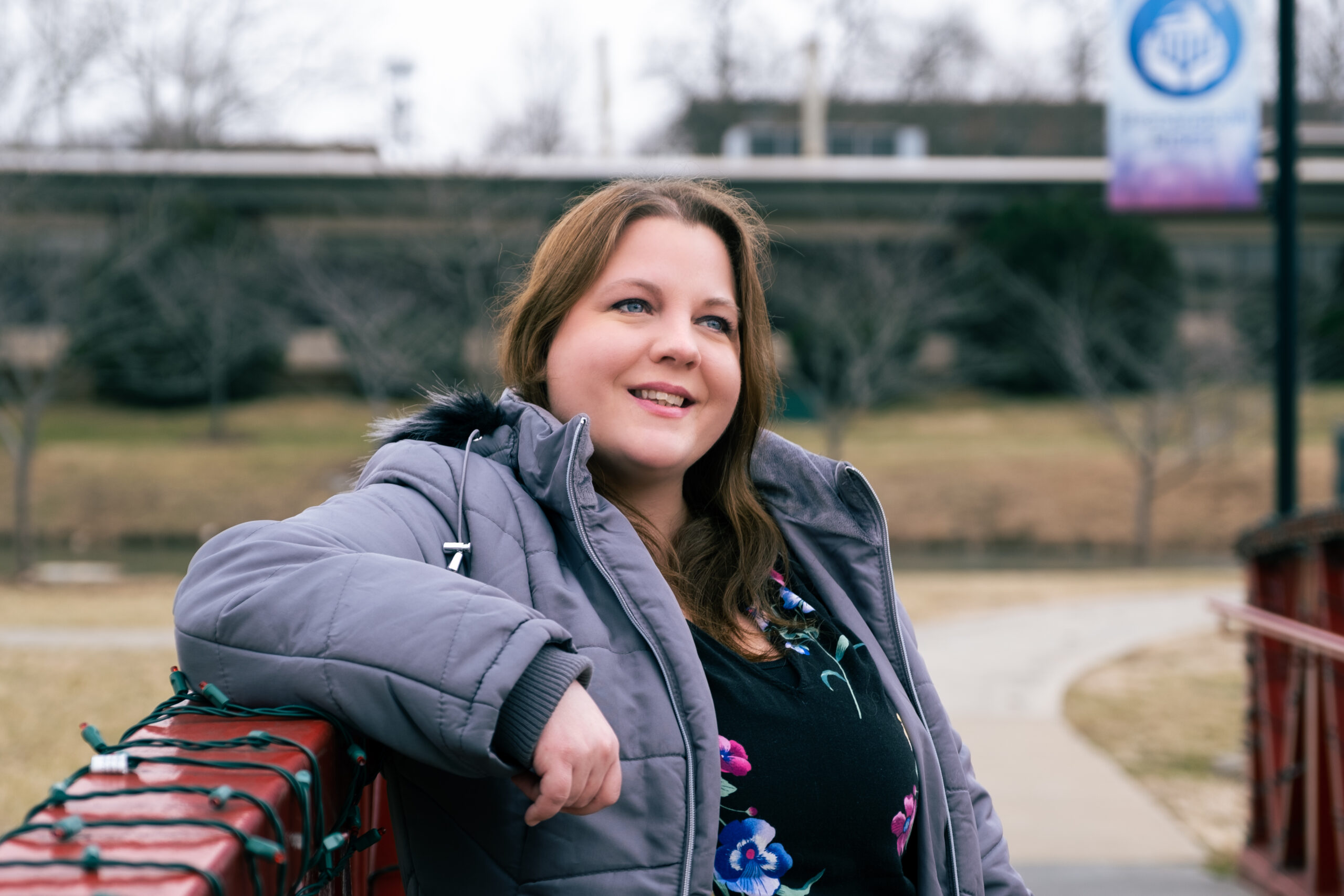
Soon, Tareena could no longer pay her rent. Although she lived paycheck to paycheck with her previous job, she had always been able to afford childcare, rent and to pay her bills on time. Now, with “zero income coming in, there was nothing to put towards rent,” she said. She feared eviction and the threat of homelessness for her young family—she hated the thought of moving her daughters around, changing schools and disrupting their lives. Tareena felt herself sliding into depression, unsure how to provide for her family.
That’s when Tareena’s landlord told her about the rent and mortgage relief program through People Incorporated. As soon as she heard about the program, she called People Incorporated and applied for relief. She learned that she was eligible, and the agency covered two months of her rent. Still struggling to find work, she reached out to People Incorporated a second time and was eligible for two more months of rent relief. Anxiety began to lift from Tareena’s chest, and she felt like she could finally breathe again.
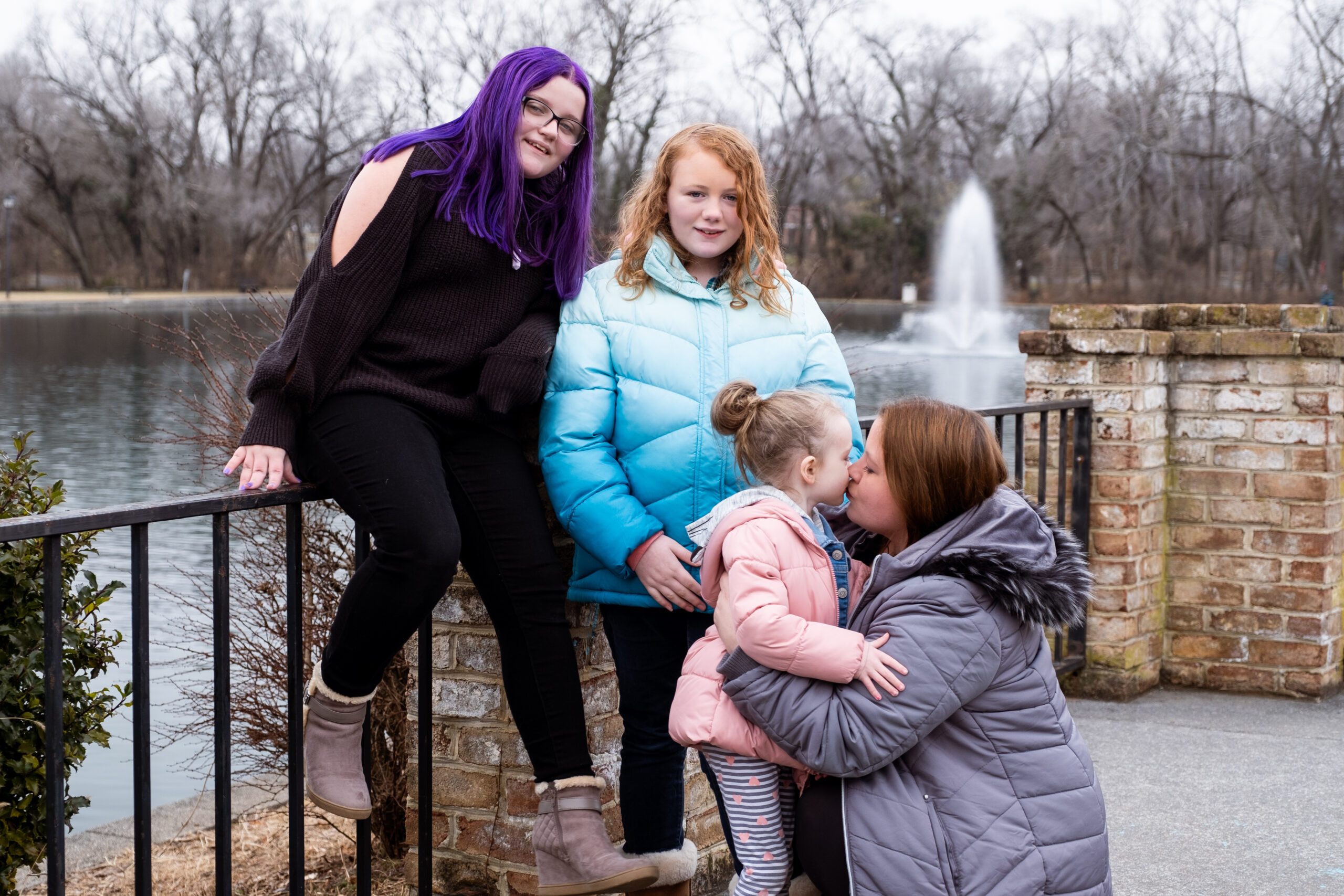
Around this time, assistance that she had sought at the beginning of the pandemic began to materialize. She can now afford to pay rent into the new year, allowing her family to remain in their home. Tareena has learned to ask for help, even when it’s not easy. “I know for me, accepting the help was tough. It was a hit to my pride,” said Tareena.
She’s been surprised by the community support during this time and continues to search for a job and help her kids learn from home until it’s safe to return to the classroom. “I am just immensely grateful and feel extremely blessed, it’s been tough, it’s been hard, but it could have been a lot worse.”
